

It is our goal to provide an innovative platform using the work of artists to inspire the world with powerful visual aids for health conscious, and great cause campaigns





Meet Our Artist
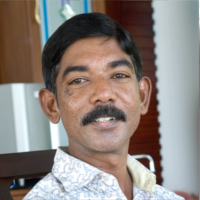
Suni George
Graphic Designer
Suni George Freelance Graphic Designer and Artist Who Dedicated to Deliver his Creativity with Social responsibility, Suni George Freelance Graphic Designer and Visualiser Who Dedicated to Deliver his Creativity with Social responsibility, He is Graduated from St. Alberts Collage. His Expertise and Social Responsibility

John paul xavier
Artist
John paul xavier ,an Artist, Designer, freelancer…. He loves paintings, johnIllustrations, Sketchings,Digital paintings,Typography etc.
He is currently studying BFA (Bachelor of Fine Arts) and also working as a freelance artist/designer at Kochi, India
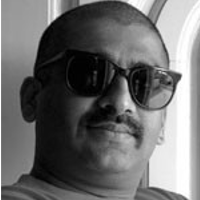
Manoj Maani
Cartoonist
Manoj Maani, the cartoonist and caricaturist is a talented artist who always try to convey social awareness ideas through his cartoons. His cartoons are a mixture of art and idea . He is talented in manual as well as digital cartoons.
His cartoon themes are always social issues rather than political subjects. And he utilizes the opportunities of online and social medias as well. He always follow the conventional art style in his cartoons.
As an expert in live and color caricature, he is doing caricature workshops for corporate companies and attend events / corporate parties. Hand made and digital customized caricatures are a great hit in his works. It has lot of requirements from families and youngsters for gifting purpose. He is talented indigital illustrations too.
After completing his diploma in fine arts, he is in the field of advertising for more than 20 years in India and abroad. As a passion and hobby, he is doing cartoons and caricatures in parallel with his advertising works. Currently he is the creative director of his own advertising creative hot shop in Bangalore.
Our Sponsers

mystikalholidays

ihoston

itruth

Rajan-logo

rajan

privatehost